
Category: Corporate & Commercial

IP in the Digital Economy Part 2: Open Source, Linking and Registering Your Rights
This is Part 2 of a four-part series updating our original 2004 article on intellectual property in the digital economy. Part 1 covered copyright ownership changes. This instalment covers open source licensing, linking practices, domain names, and registering patents and trademarks. Open Source Licensing Open source licensing was already a live issue in 2004, and…

The View from the Top – AI Governance for the Board
AI governance is no longer an IT question — it is a board-level imperative. This article examines what Singapore directors must do as AI becomes embedded in core business operations and long-term strategy.

Legal Risks for SMEs when Cloud Outages Occur
On Friday, 13 November 2026, our office ran as normal. Email worked. Documents opened. Our systems sit on a different platform from the one that failed, so we felt very little of the outage directly. The effect came from the other side. Many of our clients and counterparties run on Microsoft. Their replies stopped, and…
Black October: Three Incidents and a Cybersecurity Playbook for Singapore SMEs
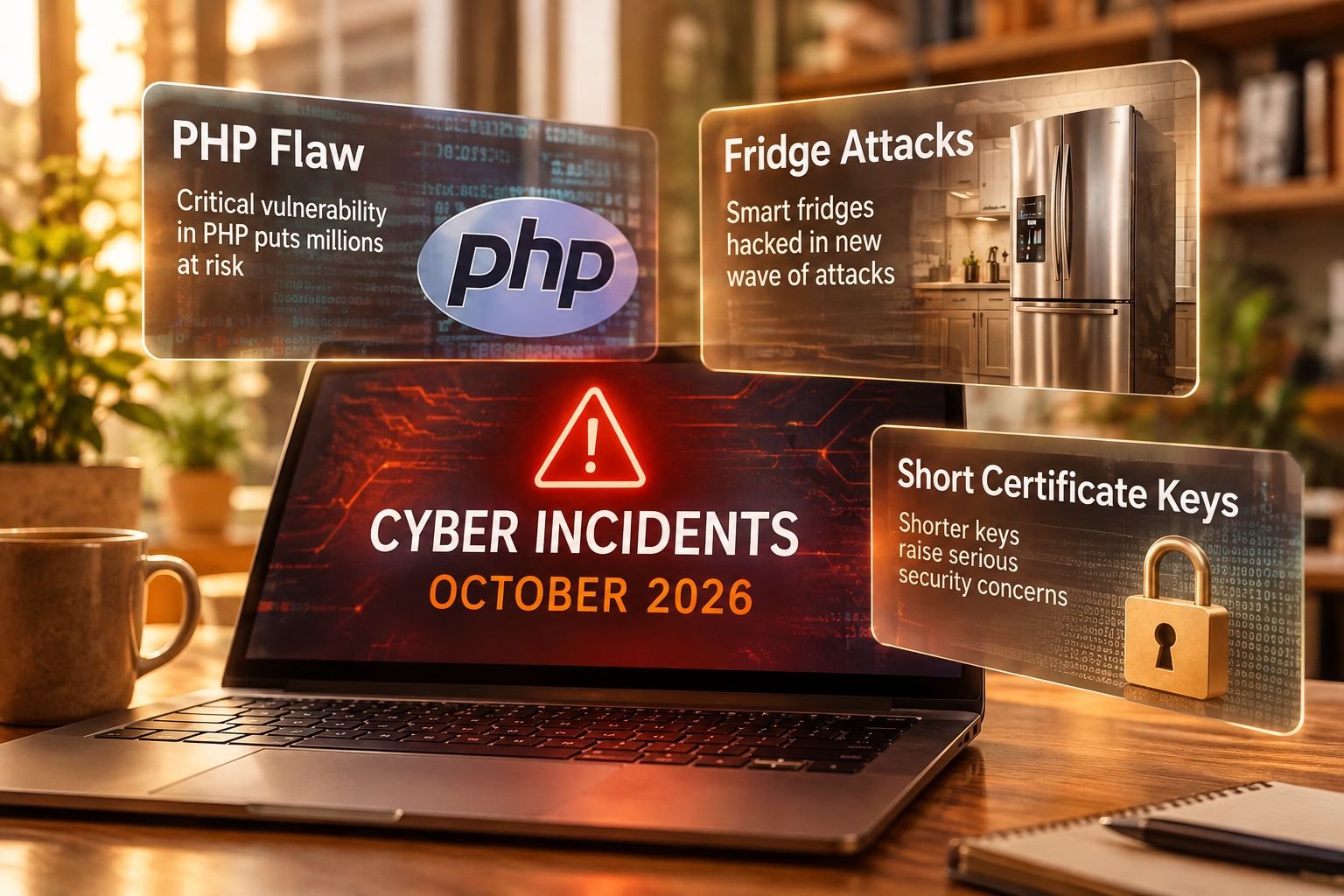
In one month, a flaw in the software behind much of the web, a wave of hacked supermarket freezers and a certificate secured by the number 4 showed the same thing. Attackers now find weak spots faster than most businesses fix them. Here is what happened, and what a small business can do about it…

Managing Underperforming Employees Part 5: Offboarding the Staff While Protecting Your Clients, Data, and Trade Secrets
When the decision is made to part ways with an employee, managing the exit process smoothly is about more than just settling final salaries and handling paperwork. For many Singapore SMEs, an employee’s departure—especially an unhappy one—brings real operational risks: confidential customer lists being downloaded, trade secrets being leaked, or valuable corporate IP walking out…
How long is “reasonable notice”? Privy Council guidance on ending a distribution agreement
On 2 March 2026 the Privy Council held that about three and a half months was reasonable notice to end a 40-year, unwritten distribution agreement. The decision sets out a purpose-based test, and a list of factors, for fixing notice when a contract says nothing about it. The case in brief In Anheuser-Busch International Inc…

IP in the Digital Economy, Part 1: What Changed in Copyright Since 2004
This is Part 1 of a four-part series updating our original 2004 article on intellectual property in the digital economy. Singapore’s Copyright Act has been completely rewritten since then. This instalment covers what changed and what it means for your business today. A Reversed Default Ownership Rule The single most practically important change is default…
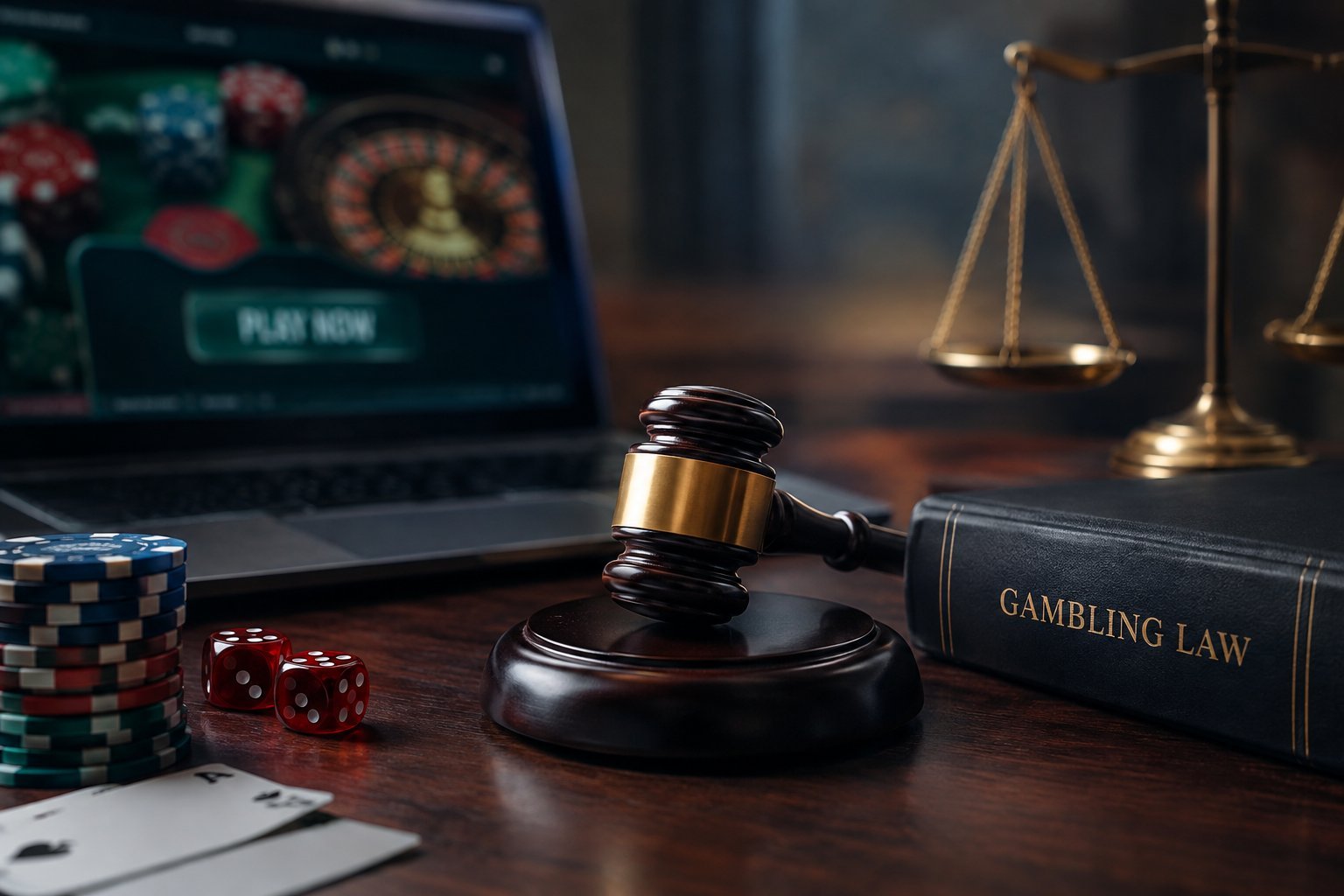
Singapore Online Gambling Laws Part 3: A Business Guide
Many modern businesses do not think of themselves as gambling businesses. A fintech company processes payments. A cloud provider hosts infrastructure. A software company supplies analytics. A marketing agency runs campaigns. Yet each may find itself connected to gambling-related activities. Understanding Singapore’s gambling framework therefore matters even for businesses operating outside the gaming industry. The…

Managing Underperforming Employees Part 4: De-Escalating the Toxic Exit Using Mutual Separation Agreements
Even with the best intentions, not every employment relationship is meant to last. Sometimes, an employee is simply a mismatch for your company’s culture, or the working relationship has fractured beyond the repair of a Performance Improvement Plan (PIP). When a situation reaches a standstill, forcing a messy performance management process or issuing a sudden…
The Digital Ghost – Defamation and Content Liability
As SMEs use AI to generate marketing content at scale, they face a new liability: defamatory output. This article examines how Singapore defamation law applies to AI-generated content and the safeguards that protect your business.
EU AI Act Transparency Rules: What Singapore SMEs Need to Know
When the European Union’s Artificial Intelligence Act (EU AI Act) came into force, many Singapore small and medium-sized enterprises (SMEs) assumed it was a distant European concern. It isn’t. Due to its extraterritorial reach, any Singapore company deploying AI tools that interact with EU residents, market products in Europe, or generate synthetic content reaching the…
Singapore Online Gambling Laws Part 2: Advertising Online Gambling Risks for Businesses, Influencers and Affiliates
Many businesses assume gambling regulation mainly affects gambling operators. That is no longer true. Under Singapore’s modern gambling framework, significant legal risks can arise for advertisers, media platforms, affiliates, payment providers, and influencers who help promote unlawful gambling services. Advertising Is a Separate Legal Risk A business does not need to operate a gambling platform…