

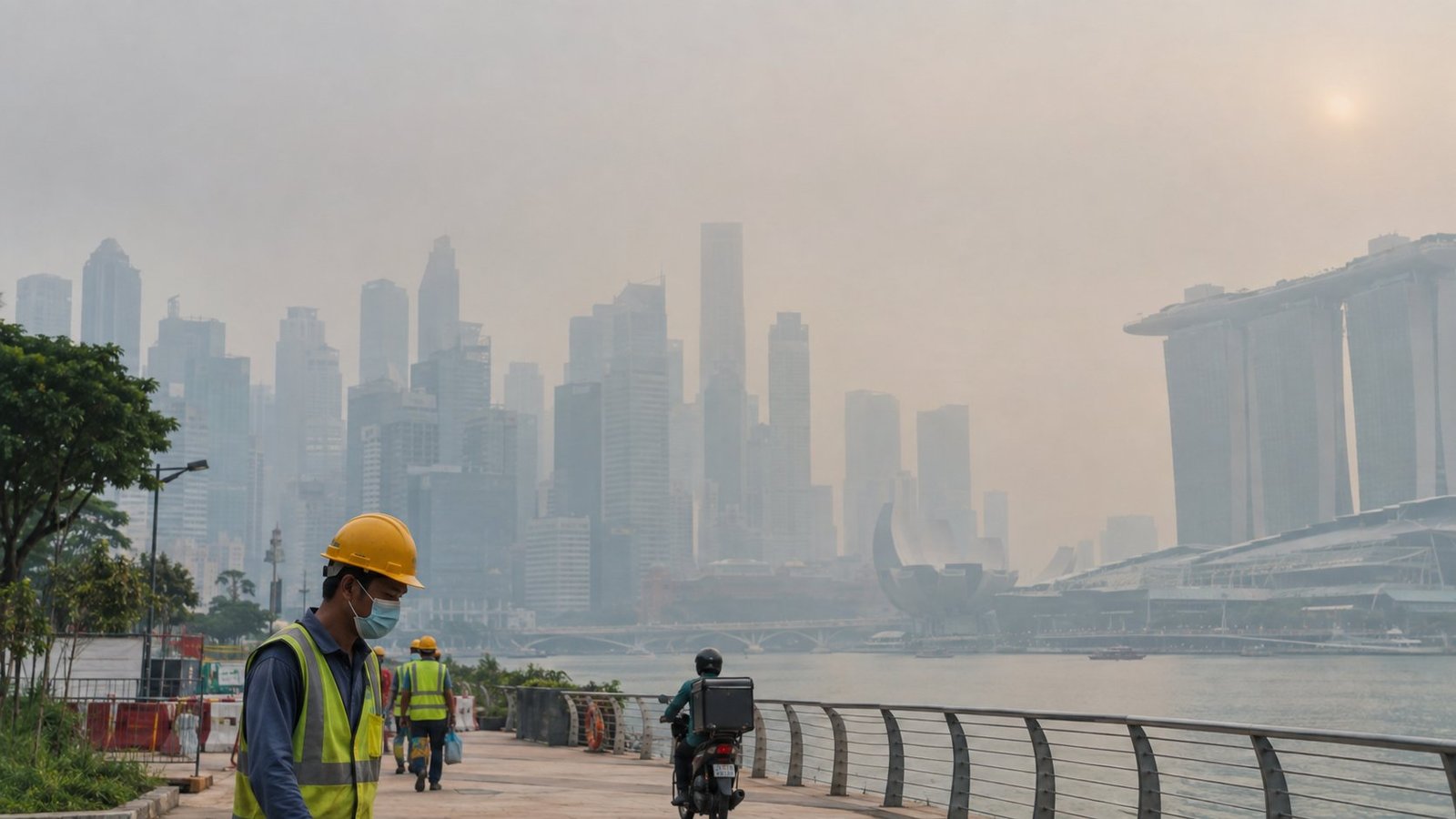
When the Pollutant Standards Index breaches 100 and central Singapore hits 154, business operations cannot continue with ‘business as usual’. Smoke haze returning to Singapore often catches some employers off guard, especially when we have not seen haze at these levels for some years. While HR managers scramble to find leftover N95 masks in storage, business owners wonder where legal obligation ends and practical common sense begins. Do you have to halt work entirely? Can an employee legally refuse to work outdoors? These questions pop up every time air quality drops into the unhealthy range.
Statutory Obligations Under the Workplace Safety and Health Act
Under the Workplace Safety and Health Act, every employer in Singapore owes a duty of care to ensure the safety and health of employees at work. This statutory burden is broad. It is not limited to factory machinery or scaffolding. Environmental risks like severe air pollution fall within an employer’s general duty.
The Ministry of Manpower (MOM) provides specific haze guidelines linked to 24-hour PSI readings. When PSI levels cross 100, employers are expected to conduct risk assessments for outdoor operations. Strenuous physical work outdoors ought to be reduced or rescheduled where practical. If outdoor tasks are unavoidable, providing suitable personal protective equipment, specifically properly fitted N95 respirators, becomes a practical requirement rather than a polite suggestion.
Managing Employment Liability and Practical Workplace Tradeoffs
In practice, legal disputes rarely arise directly from a single day of haze. The real friction happens when expectations clash. An employee with underlying asthma demands to work from home, or a site manager insists on keeping outdoor construction schedules on track despite PSI numbers creeping past 150.
Employment contracts in Singapore almost never contain explicit haze clauses. That silence means general employment principles apply. Employers must act reasonably, and employees must follow lawful and reasonable directions. Forcing an employee with documented medical conditions into prolonged outdoor physical work during severe haze creates real legal exposure under safety regulations. Conversely, an employee cannot unilaterally declare a self-made day off simply because the sky looks gray.
The sensible path for management is clear documentation. Review existing risk assessments, issue clear guidance on mask usage, look at MOM’s haze guidelines,and communicate flexible arrangements early. If an inspector visits or a workplace injury claim is filed later, having written records of protective steps taken makes all the difference.
FAQ
Q: Is an employer required by law to stop all work when PSI exceeds 100?
A: No, work does not automatically stop. However, employers must adjust work intensity, reduce outdoor physical exertion, and implement protective measures.
Q: Can an employee refuse to work outdoors during unhealthy haze?
A: An employee can raise health concerns, especially if they have pre-existing respiratory conditions. Employers should assess the risk and provide reasonable accommodations or protective equipment rather than enforcing strict compliance.
Q: Are employers obligated to supply N95 masks to indoor staff?
A: The requirement primarily targets employees working outdoors or in exposed environments. Indoor air quality should be maintained through proper ventilation systems.
If this affects you, our Contact Us page is the best way to reach us.


